

 Kochi, Kerala · India
Journal / Guide
How to choose an interior designer in Kochi
Everyone's Instagram looks good. Here is what to look at instead.
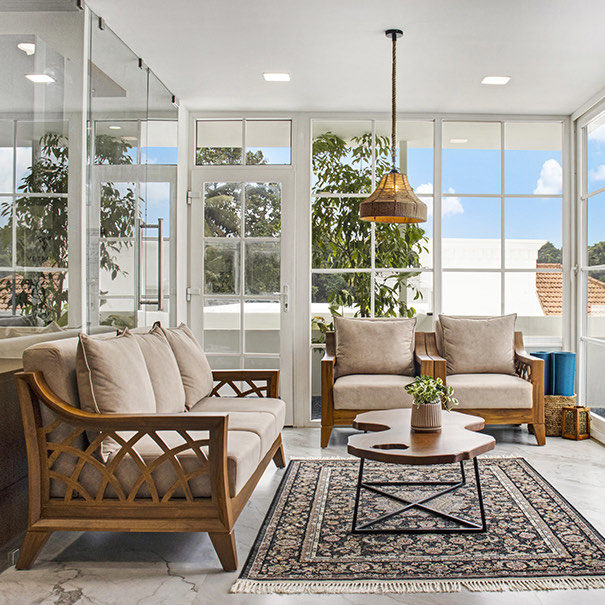
We are an interior design studio in Kochi writing about how to choose an interior design studio in Kochi, so read this with the appropriate scepticism. That said, we spend a fair amount of time being asked to fix work that went wrong, and the reasons are consistent enough to be worth writing down.
Look past the renders
Every studio's feed is 3D visuals. Visuals are cheap to produce and prove almost nothing about whether a studio can build. When you review a portfolio, ask specifically:
- Which of these are photographs of completed work? If the answer is "most are renders", you are looking at a design capability, not a delivery record.
- Can I see a project you finished three years ago? Anyone can hand over something that looks good on day one. Kerala's humidity is the real reviewer, and it takes a few years to file its report.
- Can I speak to that client? A studio with a good delivery record will make this easy. Hesitation here is informative.
Understand what you are buying
Fees are quoted in different ways and they are not comparable until you normalise them.
- Per square foot for design. Simple, but ask whether it covers the whole flat or only the areas being worked on.
- Percentage of project value. Common for larger work. Worth asking how the percentage behaves if the budget grows.
- Turnkey lump sum. One number for design and execution. Convenient, and only as good as the specification behind it.
Whichever it is, establish what is included: how many design revisions, how many site visits, whether 3D views are extra, and what happens if you change your mind about the kitchen in week six.
The single most useful question. "Can you show me a sample specification sheet from a previous project?" A studio that works properly will have one that names board grades, hardware brands and finish thicknesses. A studio that does not will change the subject. This one question separates the two faster than anything else.
Ask about the site, not the design
Design quality is what you see first. Execution quality is what you live with. Ask:
- Who supervises the site, and how often will they be there?
- Do you use your own carpenters or subcontract? Both are fine, but the answer tells you where control sits.
- How are materials verified on delivery? Is the client shown them?
- What is your snagging process, and what is the warranty?
- What happens if a delivered material is not what was specified?
Warning signs
- A quote with no specification. A single total on one page. This is the most common precursor to a bad project.
- Pressure to book today for a discount that expires. Interiors are not an airline seat.
- Reluctance to name brands. "Premium quality plywood" is not a material.
- A price far below everyone else. It is almost always achieved by substituting the board or the hardware, and you will find out in year three.
- No written contract, or one that omits dates and exclusions.
- Front-loaded payments not tied to work completed.
- Nobody asks how you live. If the first meeting is about styles rather than routines, you will get a showroom rather than a home.
A good first meeting
You are also being assessed, and a good studio will want to know things that have nothing to do with aesthetics: how many people live here, who cooks and how often, whether anyone works from home, what you own that must be accommodated, how you feel about visible clutter, what you disliked about your last house.
If nobody asks those questions, the design will be about the designer.
Choose the studio that asks the best questions, not the one with the prettiest renders. The questions are what end up in the walls.
Before you sign
- Get the full specification in writing, with brands and grades.
- Confirm the inclusions and, more importantly, the exclusions.
- Agree a payment schedule tied to completed stages, with a meaningful amount retained until snags are cleared.
- Agree a programme with dates, and what happens if it slips.
- Check the warranty period and what it actually covers.
- Keep every approval in writing. Not because you expect a dispute, but because memory is unreliable and a three-month project produces hundreds of small decisions.
Frequently asked
Ask which portfolio images are photographs rather than renders, to see a project completed three or more years ago, to speak to that client, and to see a sample specification sheet naming board grades and hardware brands. Then ask who supervises the site and how often.
Usually per square foot, as a percentage of project value, or rolled into a turnkey lump sum. Before comparing, establish how many revisions and site visits are included, whether 3D views cost extra, and how the fee behaves if the budget changes.
Rarely. A price well below the others is almost always achieved by substituting the carcass board or the hardware, neither of which you can see once the work is finished, and both of which determine how long the kitchen lasts.
A quote with no written specification, reluctance to name material brands, pressure to book against an expiring discount, payments not tied to completed work, and a first meeting that discusses styles without asking how you actually live.
Keep reading
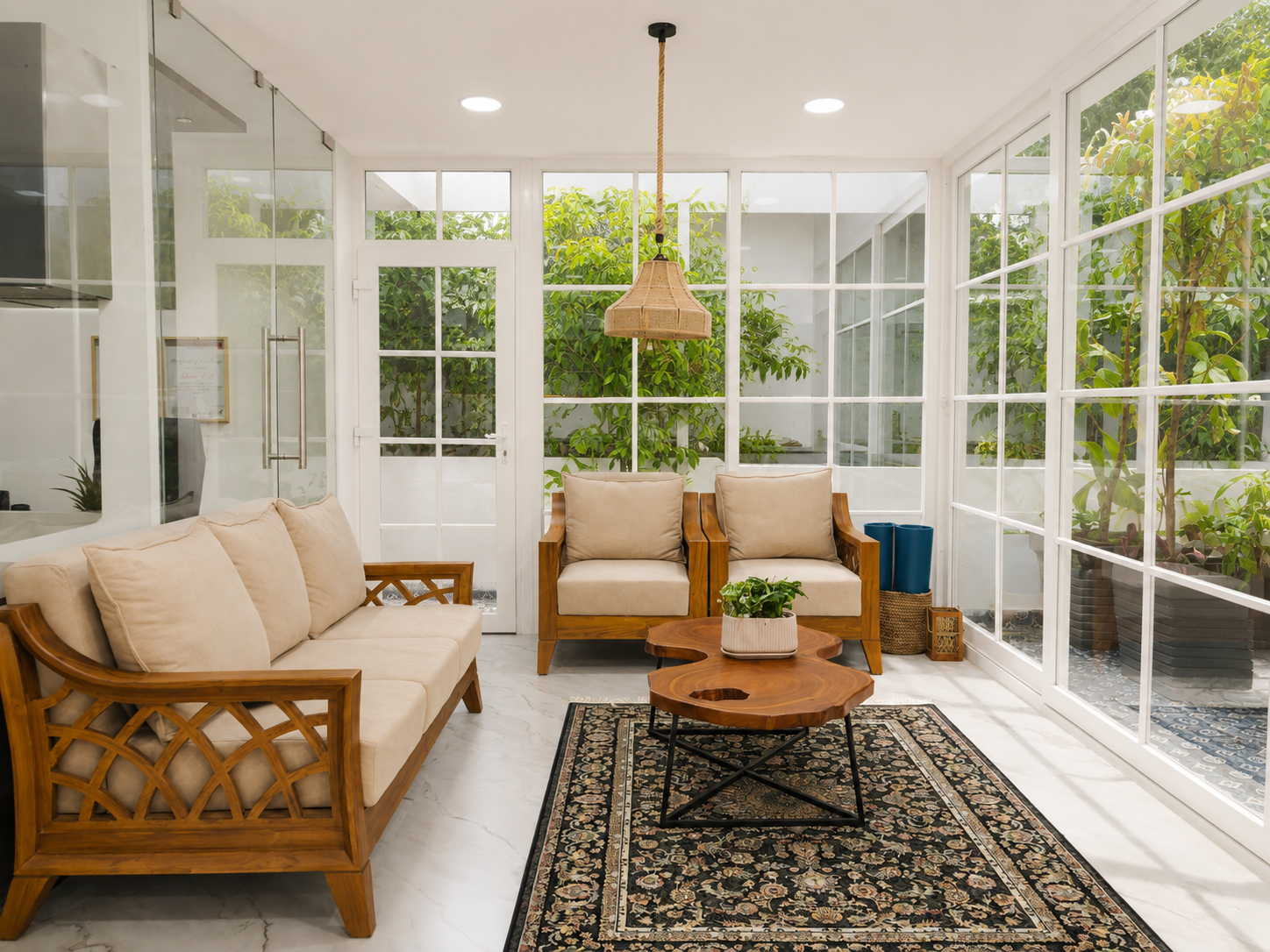
Designing a 2BHK apartment in Kochi
How to get generosity out of a compact Kochi flat: what to remove, where storage really goes, and the three moves that make the biggest difference.
Read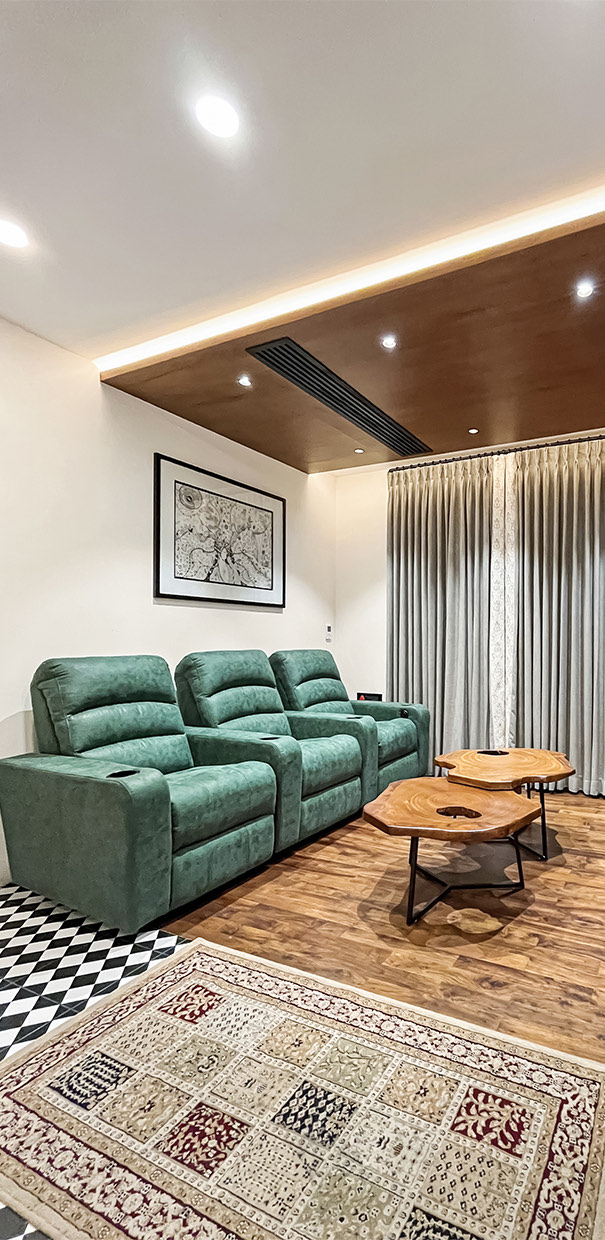
Kerala's traditional elements in a modern home
How to bring Kerala's architectural vocabulary into a contemporary house without producing a theme park.
Read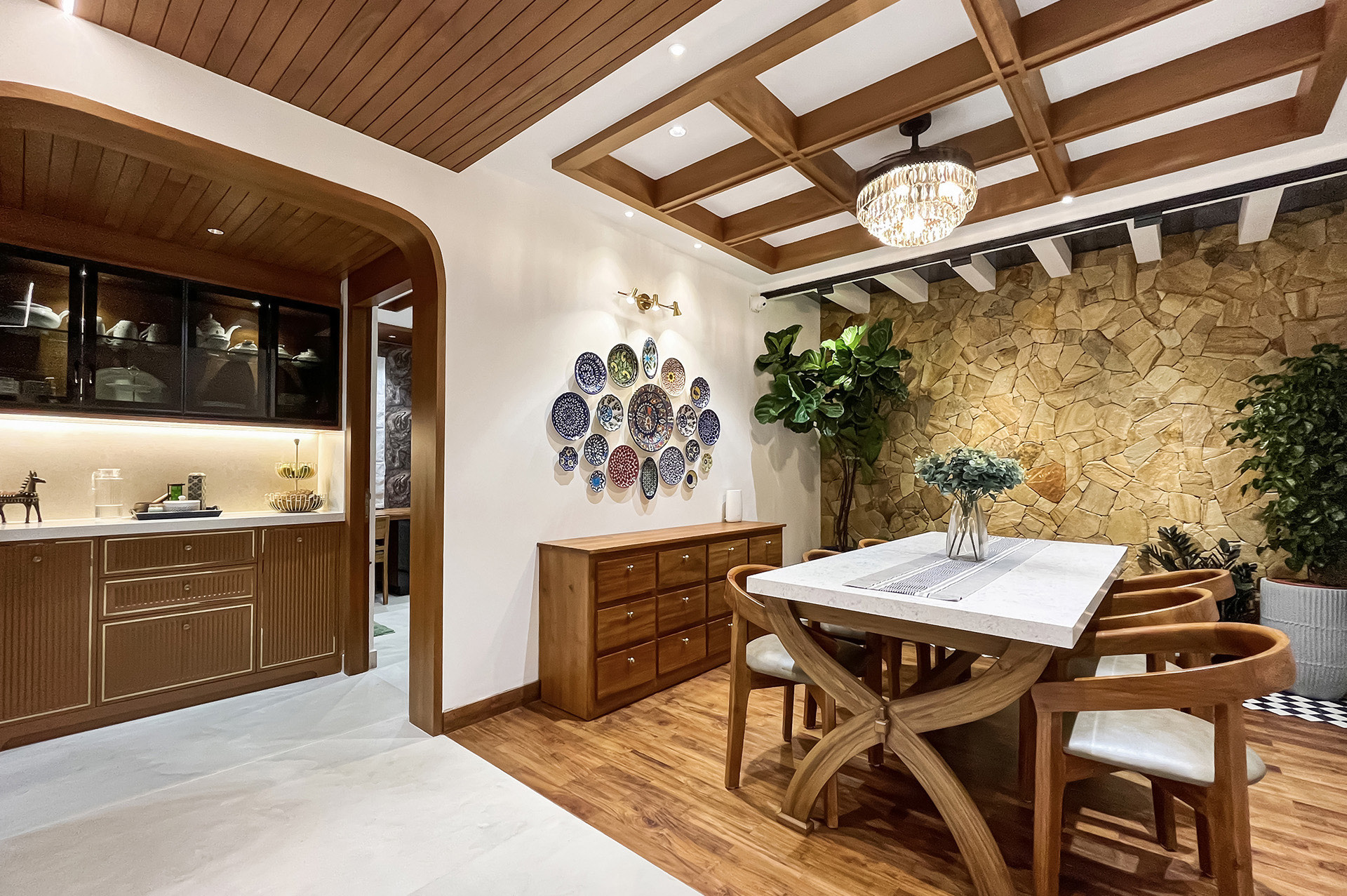
Lighting a Kerala home: daylight first, fittings second
How to plan natural and artificial light for a tropical home: shading, layers, colour temperature and the fittings that survive our humidity.
Read